Convenience at a Cost: How Mail-Order Pharmacies Can Leave You Paying Far More Than the Patient Down the Street
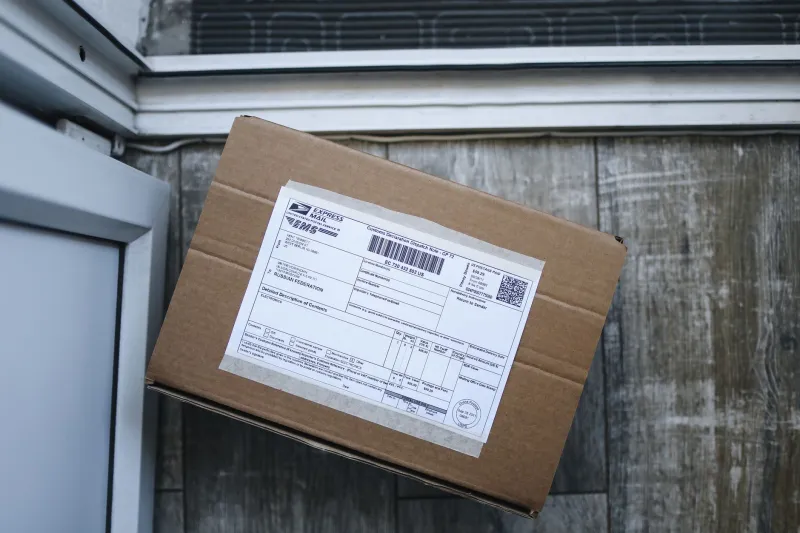
There is a quiet assumption built into the modern healthcare consumer's mindset: that mail-order pharmacies save money. The logic seems sound on the surface. Bulk purchasing power, reduced overhead, no brick-and-mortar storefront — all of it should translate into lower prices. And sometimes it does. But a growing body of pricing research, along with the lived experience of millions of American patients, tells a far more complicated story.
The reality is that the same 90-day supply of a common maintenance medication can cost one person $12 through a discount platform, another $47 through their insurer's preferred mail-order service, and a third patient $130 through a direct-to-consumer pharmacy — all while the underlying drug, dosage, and manufacturer remain identical. This is not an anomaly. It is, in many cases, the predictable outcome of how pharmacy pricing is structured in the United States.
The Architecture of Mail-Order Pricing
To understand why prices diverge so sharply, it helps to understand who is actually setting them. Most insurance-affiliated mail-order pharmacies are owned or operated by pharmacy benefit managers, commonly known as PBMs. These intermediaries negotiate drug prices with manufacturers, establish reimbursement rates for pharmacies, and determine what patients ultimately pay at the point of sale.
The critical detail is that PBMs are not neutral parties. They have financial relationships with the mail-order pharmacies they frequently steer patients toward, and those relationships can influence pricing in ways that benefit the PBM rather than the patient. A drug that might be available for a fraction of the cost through an independent discount channel may be priced significantly higher when routed through an insurer's preferred mail-order system — and your copay structure may obscure that markup entirely.
Direct-to-consumer pharmacy platforms, which have expanded rapidly over the past several years, operate under a different model. Some offer genuinely competitive cash-pay pricing. Others, however, layer in subscription fees, platform charges, or "convenience premiums" that erode the apparent savings. The monthly membership model, in particular, can look attractive until you calculate the true per-pill cost against freely available alternatives.
Why Being "In-Network" Does Not Mean "Lowest Price"
One of the most persistent misconceptions among insured consumers is that staying within their plan's pharmacy network guarantees the best available price. This is demonstrably false in many circumstances.
Insurance networks define which pharmacies are eligible for coverage — they do not rank those pharmacies by cost efficiency. A mail-order pharmacy that is "preferred" by your insurer may carry lower copays on paper, but if the drug's negotiated price within that network is inflated, you may actually pay more in total out-of-pocket cost than you would by using a third-party discount card at a local retail pharmacy — even one that falls outside your network entirely.
This is particularly relevant for patients who have not yet met their annual deductible. Before the deductible threshold is crossed, many insured patients are paying the plan's negotiated rate in full, not a copay. That negotiated rate, set through PBM contracts, can be substantially higher than the price available through an independent discount platform.
The Channels Worth Comparing Before Every Refill
A disciplined approach to prescription purchasing treats each refill as an independent pricing event rather than a routine transaction. The following channels warrant direct comparison before any commitment is made:
Insurer-affiliated mail-order services should be evaluated by requesting the actual drug price — not just the copay — for your specific medication and dosage. This figure should be compared against alternatives, particularly if you have not met your deductible.
Retail chain pharmacies vary considerably in their cash-pay and discount-card pricing, even within the same geographic area. National chains operate under distinct pricing contracts, and the same medication can differ by tens of dollars between a pharmacy on one corner and a competitor two blocks away.
Independent discount platforms and price comparison tools aggregate real-time pricing data across multiple dispensing sources. Using these tools as a baseline before accepting any quoted price is one of the most straightforward ways to identify whether you are being overcharged.
Manufacturer direct programs and patient assistance initiatives remain underutilized by eligible patients. For brand-name medications in particular, these programs can reduce costs to near zero for qualifying individuals, entirely bypassing the mail-order system.
The Subscription Pharmacy Trap
A newer pricing dynamic has emerged with the rise of subscription-based pharmacy models. These platforms typically charge a flat monthly or annual fee in exchange for access to a curated list of generic medications at low per-fill prices. For patients who take multiple medications on that list, the math can work in their favor. For those who do not, the subscription fee may represent a net loss.
The more subtle risk is that subscription models create behavioral inertia. Once enrolled, patients tend to default to refilling through that platform regardless of whether better pricing has become available elsewhere. Periodic reassessment — comparing your subscription's actual cost against current market pricing — is a practice that can prevent gradual savings erosion over time.
Building a Practical Comparison Framework
Approaching pharmacy pricing with a structured methodology does not require significant time or expertise. A workable framework involves four steps:
First, identify the exact drug, dosage, and quantity you require. Generic name, not brand name, should be used in any pricing search to ensure the widest range of results.
Second, obtain a price quote from at least three channels: your insurer's mail-order service, a national retail chain using a discount card or platform, and a third-party price comparison tool. Record the total cost, not just the copay.
Third, factor in ancillary costs. Mail-order services may offer free shipping, but some charge for expedited delivery. Retail pharmacies may charge for certain services. Subscription platforms have recurring fees. The true comparison is total annual cost, not per-fill sticker price.
Fourth, revisit this comparison at each plan renewal period. Formulary changes, PBM contract renegotiations, and shifts in generic availability can alter the pricing landscape substantially from one year to the next.
The Broader Principle
The mail-order pharmacy model is not inherently exploitative. For many patients managing chronic conditions, it provides genuine logistical value. The problem arises when convenience is treated as a substitute for due diligence — when the ease of automatic refills and doorstep delivery becomes a reason to stop asking whether a better price exists.
At USaverX, the foundational premise is straightforward: informed consumers pay less. The pharmacy channel you choose is not a trivial administrative detail. It is a pricing decision with real financial consequences, and it deserves the same scrutiny you would apply to any other significant recurring expense. The patient down the street paying a fraction of your monthly medication cost may simply be the one who asked one more question before confirming the refill.