USaverX Smarter Savings on Every Prescription

USaverX

Smarter Savings on Every Prescription

Latest Articles

Crossing State Lines Without Leaving Your Couch: The Legal Guide to Out-of-State Pharmacy Savings
Prescription Pricing

Crossing State Lines Without Leaving Your Couch: The Legal Guide to Out-of-State Pharmacy Savings

Most Americans assume they must fill prescriptions at whichever pharmacy is most convenient — but a growing body of evidence suggests that shopping across state lines, legally and strategically, can yield dramatic savings on routine medications. This guide unpacks the regulatory framework, practical comparison methods, and documented case examples that reveal how geography quietly shapes what you pay at the pharmacy counter.

The Prescription Calendar: How Refill Timing, Deductible Cycles, and Plan Transitions Can Quietly Save You Hundreds Each Year
Consumer Health Education

The Prescription Calendar: How Refill Timing, Deductible Cycles, and Plan Transitions Can Quietly Save You Hundreds Each Year

The date on which you fill a prescription can matter nearly as much as the price of the medication itself. Strategic timing around insurance deductible resets, plan transition windows, and pharmaceutical pricing cycles is one of the least-discussed — and most financially rewarding — habits a prescription buyer can develop. This article decodes the calendar mechanics that drive medication costs and offers a structured framework for timing refills to minimize what you pay over a full year.

Three Tools, One Medication, One Clear Winner: A Step-by-Step Guide to Stacking Discount Platforms Against Your Insurance
Prescription Pricing

Three Tools, One Medication, One Clear Winner: A Step-by-Step Guide to Stacking Discount Platforms Against Your Insurance

Most Americans assume their insurance card automatically delivers the lowest price at the pharmacy counter — but that assumption quietly costs millions of people hundreds of dollars each year. This guide walks you through a structured, side-by-side comparison of GoodRx, RxSaver, and your insurance plan, using real-world price scenarios to reveal which tool wins under which circumstances. Understanding how to layer — and when not to layer — these resources is one of the most practical financial s

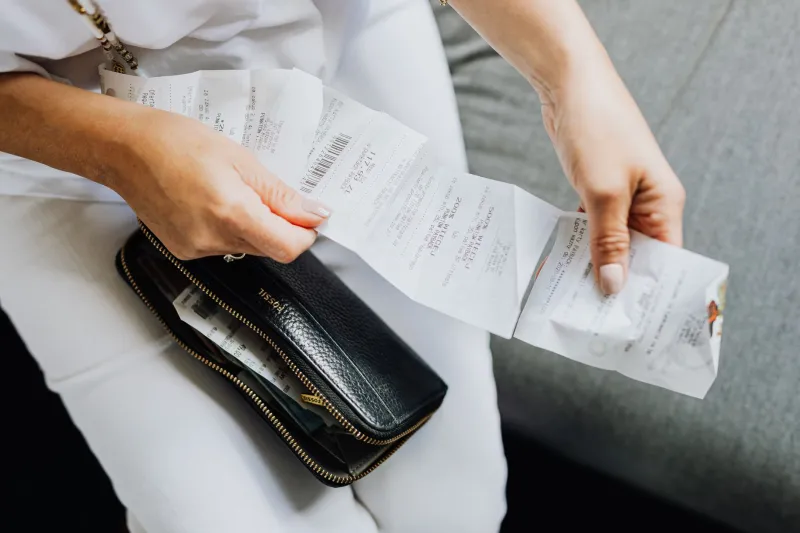
What Your Pharmacy Receipt Is Actually Telling You — And How to Use It to Stop Overpaying
Prescription Pricing

What Your Pharmacy Receipt Is Actually Telling You — And How to Use It to Stop Overpaying

Most Americans glance at their pharmacy receipt and pocket it without a second thought. But buried in that printout are line items, fees, and pricing signals that can reveal whether you are being charged fairly — or significantly more than you should be. Learning to read this document like a professional could be one of the most practical financial skills you develop this year.

How to Talk to Your Doctor About Switching to a Cheaper Medication — Without Damaging Your Care
Consumer Health Education

How to Talk to Your Doctor About Switching to a Cheaper Medication — Without Damaging Your Care

When a prescription becomes financially unsustainable, many patients quietly stop taking it rather than raising the subject with their physician. That silence can be dangerous — and it is largely unnecessary. With the right preparation and language, patients can open a productive conversation about lower-cost therapeutic alternatives while keeping their doctor fully informed and engaged in the decision.

Telehealth Platforms vs. Your Corner Pharmacy: A Cost-Focused Breakdown for Savvy Prescription Shoppers
Prescription Pricing

Telehealth Platforms vs. Your Corner Pharmacy: A Cost-Focused Breakdown for Savvy Prescription Shoppers

The rise of telehealth services and online prescription platforms has introduced new ways to obtain medications — but whether these options actually save money depends heavily on the drug type, your insurance status, and how different platforms handle discount programs. This article examines the real cost structures behind telehealth prescriptions, direct-to-consumer models, and brick-and-mortar pharmacy fills to help you make a genuinely informed choice at every refill.

Surviving Medicare's Donut Hole: What Every Part D Enrollee Should Know Before Costs Spiral
Consumer Health Education

Surviving Medicare's Donut Hole: What Every Part D Enrollee Should Know Before Costs Spiral

Medicare's Part D coverage gap — commonly called the donut hole — can catch beneficiaries off guard and leave them facing significantly higher out-of-pocket drug costs mid-year. Understanding exactly how the gap works, what triggers it, and which programs exist to soften the financial blow can make a meaningful difference in what you ultimately pay. This guide breaks down the mechanics and offers actionable strategies for managing your prescription expenses throughout the entire benefit year.

When Savings Cards Backfire: The Prescription Discount Dilemma You Need to Understand Before Your Next Refill
Consumer Health Education

When Savings Cards Backfire: The Prescription Discount Dilemma You Need to Understand Before Your Next Refill

Prescription discount cards are marketed as a straightforward way to reduce your medication costs, but for many patients, using them can quietly eliminate access to far more valuable savings programs. Understanding the mechanics behind these cards is essential before you hand one over at the pharmacy counter. This guide breaks down when discount cards genuinely help—and when they may be working against your financial interests.

Know Before You Pay: How State Pharmacy Transparency Laws Can Put More Money Back in Your Pocket
Prescription Pricing

Know Before You Pay: How State Pharmacy Transparency Laws Can Put More Money Back in Your Pocket

A growing number of US states have enacted pharmacy price transparency legislation, giving consumers legal tools to access medication pricing information and challenge unexplained charges. Knowing which protections exist in your state—and how to use them—can meaningfully reduce what you pay at the pharmacy. This guide maps the current landscape of state-level transparency requirements and provides practical steps for every consumer, regardless of location.

Are You Paying Too Much at the Pharmacy Counter? How PBM Pricing Practices May Be Costing You More Than They Should
Prescription Pricing

Are You Paying Too Much at the Pharmacy Counter? How PBM Pricing Practices May Be Costing You More Than They Should

Pharmacy benefit managers operate largely out of public view, yet their pricing decisions directly affect what you pay every time you fill a prescription. Understanding how PBM contracts work—and knowing how to audit your own charges—could help you recover significant overpayments. This guide walks you through the process step by step.

The Hidden Safety Net: Manufacturer Drug Assistance Programs That Could Bring Your Medication Costs Down to Almost Nothing
Consumer Health Education

The Hidden Safety Net: Manufacturer Drug Assistance Programs That Could Bring Your Medication Costs Down to Almost Nothing

Hundreds of pharmaceutical manufacturers quietly operate programs that offer brand-name medications for as little as one dollar per month—yet most patients never learn about them. Understanding how patient assistance programs work, who qualifies, and how to apply could eliminate one of the most significant out-of-pocket expenses many American households face. USaverX breaks down everything you need to know.

Same Pill, Wildly Different Price Tags: What's Really Driving the Cost Gap Between Pharmacies
Prescription Pricing

Same Pill, Wildly Different Price Tags: What's Really Driving the Cost Gap Between Pharmacies

A 30-day supply of a common blood pressure medication can cost $12 at one pharmacy and $180 at another just two miles away. Understanding the hidden layers of drug pricing — from wholesaler contracts to pharmacy benefit manager fees — is the first step toward reclaiming control of your healthcare spending. This investigation breaks down the opaque system behind prescription price tags and shows you how to find the best deal before you ever hand over your insurance card.

Five Generic Drug Myths That Are Quietly Draining Your Wallet
Consumer Health Education

Five Generic Drug Myths That Are Quietly Draining Your Wallet

Millions of Americans continue to pay two, three, or even ten times more for brand-name medications despite the existence of FDA-approved generic equivalents that deliver identical therapeutic results. Persistent myths about generic drug quality, safety, and effectiveness are largely to blame. Here, we dismantle five of the most common misconceptions — and show you exactly how much money is left on the table when these beliefs go unchallenged.