Before You Pay, Ask: Seven Pharmacist Conversations That Routinely Shrink the Bill

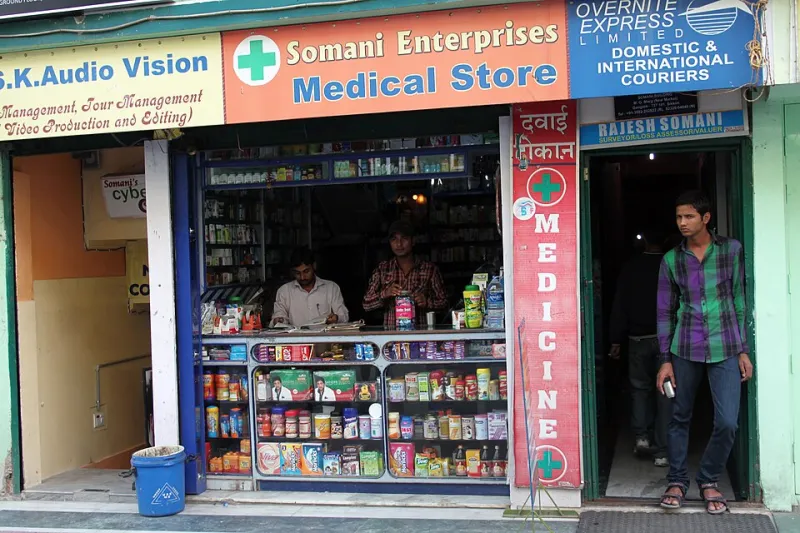
Photo: pharmacist consulting patient at pharmacy counter conversation, via img.freepik.com
The pharmacist behind the counter holds more pricing leverage than most consumers realize. They can see alternatives, run prices both ways, and flag programs you have never heard of — but only if you ask. Here are seven questions worth asking, phrased so you can use them verbatim.
1. "Is there a therapeutic equivalent that costs less?"
This is the single highest-value question in pharmacy. It asks not for a generic of the same drug, but for a different drug treating the same condition at a lower price. A patient paying $80 monthly for a brand-name acid reducer, for example, may learn that an older generic in the same class costs $8 — with the pharmacist's endorsement that it is clinically appropriate to raise with the prescriber.
2. "What's the cash price without my insurance?"
As covered in our earlier reporting on chain discount lists, copays frequently exceed cash prices for common generics. Ask the pharmacist to quote both. The comparison takes seconds and occasionally halves the bill.
3. "Do you have a discount list or in-house savings program?"
Walmart, Kroger, Publix, and many independents maintain flat-rate generic lists. Independents sometimes have unadvertised senior or cash discounts as well. You will not be told unless you ask.
4. "Can you check if a manufacturer coupon or patient-assistance program applies?"
For brand-name drugs especially, manufacturer savings cards and assistance programs can cut costs substantially. Pharmacists know which programs are active and whether your situation qualifies. One question can convert a $200 fill into a $20 one.
5. "Would a 90-day supply change the price?"
Larger fills change the per-day math in both directions — sometimes better, sometimes worse, depending on the drug and the payment method. Ask for the 30-day and 90-day prices side by side before deciding.
6. "Does my plan prefer a different pharmacy or a mail-order option?"
Some insurance plans maintain preferred pharmacy networks or tiered cost-sharing that rewards specific locations. Your pharmacist can often see these plan details and tell you whether filling elsewhere would cost less — a question patients almost never think to pose.
7. "Is this drug on the $4 or discount generic list, and can you note it in my profile?"
The closing question does two things: it confirms eligibility for flat-rate pricing, and it creates a record so future refills default to the cheaper path. Pharmacists can flag accounts, and a small notation today prevents overpaying at every subsequent refill.
Making It a Habit
None of these questions requires confrontation or negotiation skill — only the recognition that the person in the white coat is a resource, not a cashier. Pair the conversation with a quick price check on a verified platform like USaverX before you go, and you arrive knowing the market rate. Patients who ask consistently report savings that compound month after month. The discount was always there. The difference is that now you are the one bringing it up.