Know Before You Pay: How State Pharmacy Transparency Laws Can Put More Money Back in Your Pocket

Photo: Photograph: Radomianin, Public domain, via Wikimedia Commons
For most Americans, the price of a prescription medication remains something of a mystery until they are already standing at the pharmacy counter. Unlike the sticker price on a consumer product, prescription drug pricing is shaped by a layered web of manufacturer list prices, insurer negotiations, pharmacy benefit manager (PBM) contracts, and dispensing fees—none of which are typically visible to the patient. A growing movement at the state level, however, is beginning to change that dynamic.
Over the past several years, dozens of states have passed legislation requiring greater disclosure from pharmacies, PBMs, and insurers regarding drug pricing. These laws vary considerably in scope and enforcement, but they share a common purpose: ensuring that consumers have access to information that allows them to make informed decisions about where and how they fill their prescriptions. Understanding what your state requires—and how to use those protections—is one of the most actionable steps you can take toward reducing your medication costs.
Why Pharmacy Price Transparency Matters
The lack of pricing transparency in the pharmaceutical supply chain has real consequences for consumers. Patients have historically been unable to comparison-shop for medications the way they might for other goods and services, and pharmacies have not been legally required to disclose the full pricing basis of a transaction. This opacity has allowed certain practices—such as charging patients more than the cash price of a drug even when running it through insurance—to persist largely unchallenged.
One particularly well-documented issue is the practice known as a "clawback," in which a patient's copay under their insurance plan is actually higher than the uninsured cash price for the same medication. In these cases, the excess amount is effectively reclaimed by the PBM rather than benefiting the patient. Federal regulations have made some progress in restricting this practice, but state-level transparency laws provide an additional layer of protection and consumer recourse.
States Leading on Transparency Legislation
The regulatory landscape is uneven, but several states have established meaningful frameworks worth examining.
Texas enacted legislation requiring pharmacists to inform patients when a lower cash price is available for a medication than what they would pay using their insurance. This "tell the patient" requirement directly addresses the clawback issue and has served as a model for similar bills in other states.
California has taken a broader approach, with legislation targeting PBM transparency and requiring disclosure of pricing methodologies. The state has also moved to license and regulate PBMs, creating accountability structures that were previously absent.
New York has implemented regulations requiring pharmacies to provide pricing information upon request and to post the cash prices of commonly prescribed medications. The state's Department of Financial Services has also pursued enforcement actions related to undisclosed pricing practices.
Maine, Oregon, and Vermont have each passed PBM-specific transparency requirements, mandating that these intermediaries report pricing data to state regulators—information that can inform both legislative action and consumer advocacy.
Arkansas was among the first states to pass anti-clawback legislation and has continued to strengthen its framework for pharmacy pricing fairness.
It is worth noting that the specific provisions of these laws—and their enforcement mechanisms—change as legislatures update them. Consulting your state's Department of Insurance or Board of Pharmacy website will provide the most current information on what is legally required in your jurisdiction.
What These Laws Allow You to Do
Depending on your state's specific statutes, transparency legislation may give you the right to:
- Request the cash price of a medication before your transaction is processed through insurance.
- Ask the pharmacist to compare the insurance copay price against the uninsured cash price and receive an honest answer.
- Access a list of standard drug prices that the pharmacy is required to post or make available upon request.
- File a complaint with your state's Board of Pharmacy or Department of Insurance if you believe you were charged more than legally permissible or were denied pricing information you are entitled to receive.
- Review your Explanation of Benefits (EOB) to verify that amounts billed by the pharmacy correspond to what was actually charged, and to identify discrepancies worth investigating.
Practical Steps to Exercise Your Rights
Knowing that these protections exist is only half the equation. Using them effectively requires a degree of proactive engagement at the point of sale and beyond.
Step 1: Ask before you pay. Before handing over your insurance card or discount card, ask the pharmacist what the cash price of the medication is. In states with transparency requirements, this question must be answered honestly. In states without such requirements, most pharmacists will still provide this information, and the comparison can be illuminating.
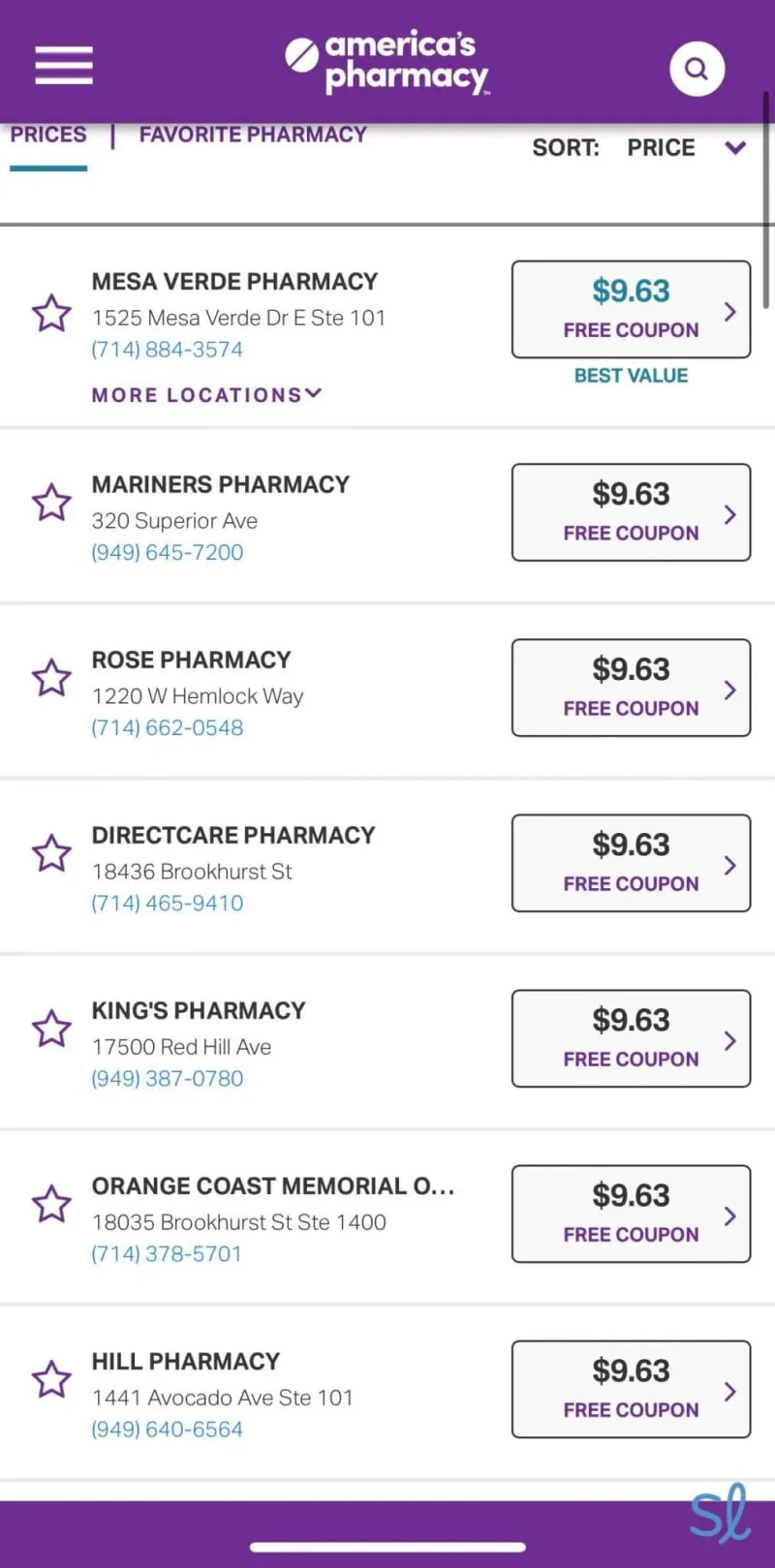
Step 2: Use verified price comparison tools. Platforms like USaverX allow you to see medication prices across multiple pharmacies in your area before you even leave home. This information arms you with a baseline before you engage with any single pharmacy.
Step 3: Know your state's complaint process. If you believe you were overcharged or denied information you are legally entitled to, your state's Board of Pharmacy is the appropriate regulatory body for pharmacy-level complaints. Insurance-related complaints typically fall under the Department of Insurance. Both agencies maintain online complaint portals.
Step 4: Review your EOB carefully. After any prescription fill, review the Explanation of Benefits your insurer sends. Compare the amounts listed against what you actually paid. Discrepancies can indicate billing errors or, in some cases, practices that warrant a formal complaint.
Step 5: Contact your state legislator if your state lacks protections. Consumer demand is a significant driver of state-level pharmaceutical legislation. If your state has not yet enacted meaningful transparency requirements, reaching out to your state representative's office—particularly if you can document a specific pricing experience—can contribute to legislative momentum.
If Your State Has Not Yet Acted
For residents of states without comprehensive pharmacy transparency laws, federal baseline protections still apply. The Consolidated Appropriations Act of 2021 included provisions restricting PBM clawback practices in certain contexts, and the Centers for Medicare & Medicaid Services (CMS) has implemented transparency requirements for plans operating in the Medicare and Medicaid space.
Additionally, federal law requires pharmacies participating in Medicare Part D to inform beneficiaries of lower-cost alternatives, including generic substitutions, when available. If you are a Medicare beneficiary, this is a right you can actively invoke.
For those outside of government programs, third-party price comparison resources remain the most accessible tool in the absence of state-mandated transparency. USaverX aggregates verified pricing data across pharmacy networks, enabling consumers in every state to identify the most cost-effective option for their specific medication—regardless of whether their legislature has acted.
The Larger Picture
Pharmacy price transparency legislation represents one piece of a broader effort to make the pharmaceutical market more legible to the patients who depend on it. These laws do not fix every structural issue in drug pricing, but they do shift a meaningful degree of informational power toward consumers. When patients know what they are being charged—and have legal standing to question it—the dynamics of the pharmacy transaction change.
At USaverX, we view these developments as progress toward the kind of informed, empowered consumer experience that genuine savings requires. A transparent system is a fairer system, and a fairer system is one where smarter savings become possible for everyone.