When Savings Cards Backfire: The Prescription Discount Dilemma You Need to Understand Before Your Next Refill
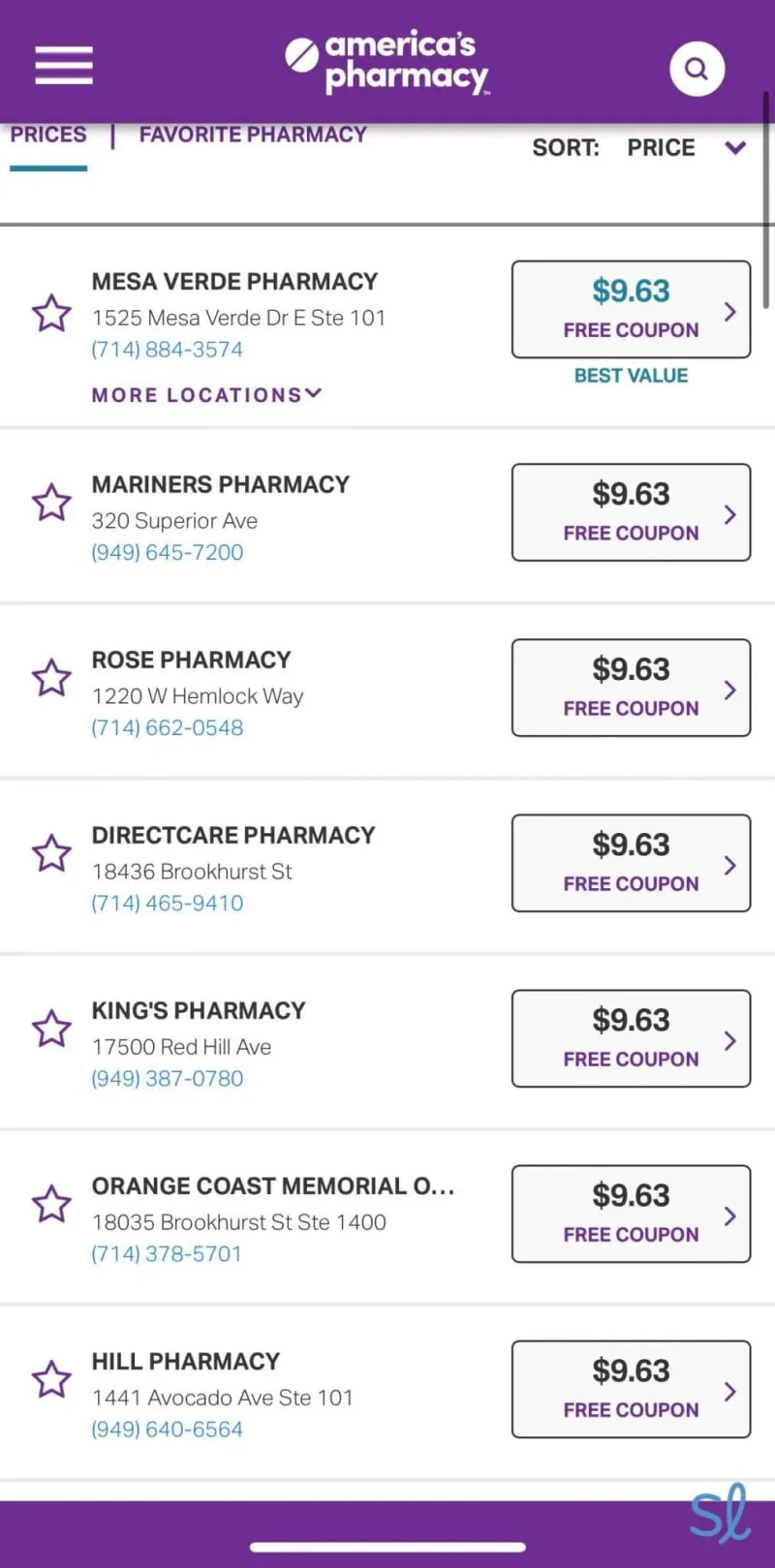
Photo: prescription discount card pharmacy counter medication cost comparison, via www.seniorliving.org
At first glance, a prescription discount card sounds like an uncomplicated win. You download an app, present a card at the pharmacy, and watch the price on a brand-name medication drop by $50 or more. For patients without insurance, or those facing high out-of-pocket costs, the appeal is entirely understandable. But the reality of how these cards function within the broader pharmaceutical pricing ecosystem is considerably more complicated—and for a significant portion of consumers, using them without careful consideration can result in a net financial loss.
At USaverX, our mission is to help you find genuinely smarter savings on every prescription. That means being transparent about the limitations and unintended consequences of tools that, on the surface, appear beneficial.
How Prescription Discount Cards Actually Work
Discount cards—whether offered through third-party platforms, pharmacy chains, or pharmaceutical manufacturers themselves—operate by negotiating pre-arranged pricing with pharmacy networks. When you use one, the transaction is processed outside your standard insurance claim. The pharmacy is reimbursed by the card's administrator, and you pay a reduced cash price.
This arrangement can be genuinely useful in specific circumstances. For patients who are uninsured, underinsured, or purchasing a medication that their plan does not cover, a discount card may represent the most affordable option available. The problem arises when insured patients use these cards as a substitute for filing insurance claims—and when those cards are tied to brand-name drugs that have robust manufacturer assistance programs attached to them.
The Accumulator Adjustment Problem
One of the most consequential issues involves a practice known as accumulator adjustment programs (AAPs), which are now embedded in many commercial insurance plans. Under a standard insurance benefit, every dollar you spend on a prescription—including amounts covered by manufacturer coupons—counts toward your annual deductible and out-of-pocket maximum. Accumulator adjusters change this equation.
When a plan includes an accumulator adjuster, payments made using a manufacturer-sponsored copay card or coupon are excluded from your deductible accumulation. In practical terms, this means that while you may be paying little to nothing for your medication during the months when the coupon covers your costs, you could face a sudden, substantial bill later in the year once the coupon benefit is exhausted—because your deductible has not actually been progressing.
The Kaiser Family Foundation has documented the growing prevalence of these programs, and patient advocacy groups have raised alarms about patients who are blindsided by four-figure bills in the second half of a plan year. If your insurance plan includes an accumulator adjuster and you are using a manufacturer coupon card for a high-cost specialty medication, the math may not favor the coupon at all.
Manufacturer Patient Assistance Programs: A More Valuable Alternative
For patients who meet income eligibility thresholds, manufacturer Patient Assistance Programs (PAPs) can provide brand-name medications at little to no cost—far exceeding the typical value of a coupon card. However, many PAPs require that applicants demonstrate they are not using other discount programs for the same medication. Presenting a third-party discount card at the pharmacy can, in some cases, create a record that disqualifies an otherwise eligible patient from accessing a PAP.
This is not a hypothetical concern. Several pharmaceutical manufacturers explicitly state in their assistance program terms that concurrent use of other discount mechanisms affects eligibility. Before reaching for a coupon card, it is worth verifying whether the drug's manufacturer offers a PAP and whether you might qualify.
When Discount Cards Are Genuinely Beneficial
It would be misleading to suggest that discount cards are universally problematic. For the right patient in the right situation, they remain a legitimate savings tool. Specifically, they tend to work well when:
- You are uninsured or your plan does not cover the medication in question. In this case, the card functions as your primary pricing mechanism, and there is no insurance claim being displaced.
- The medication is a generic drug. Generic medications are rarely covered by manufacturer coupons or PAPs, making third-party discount cards one of the most effective ways to reduce costs on these drugs.
- Your plan does not include an accumulator adjuster. If your insurer applies coupon payments toward your deductible and out-of-pocket maximum, a manufacturer copay card may legitimately reduce your annual spending without the hidden deductible trap.
- The discount is significant and the drug is a short-term prescription. For a one-time or brief course of treatment, the long-term accumulator concern is less relevant.
A Decision-Making Framework Before You Use a Coupon Card
Before presenting any discount card at the pharmacy, consider working through the following questions:
-
Does your insurance plan include an accumulator adjustment program? Review your Summary of Benefits and Coverage or contact your plan's member services line. This single question can dramatically change the calculus.
-
Is the medication brand-name or generic? If it is a brand-name drug, investigate whether the manufacturer offers a PAP or copay assistance program directly, and compare the value against any third-party coupon.
-
Do you meet the income criteria for a manufacturer PAP? These programs often cover households earning up to 400% or more of the federal poverty level. Do not assume you are ineligible without checking.
-
Is the discount card displacing an insurance claim? If your plan covers the drug, running the transaction as a cash-pay discount may save you money today while costing you progress toward your annual out-of-pocket maximum.
-
What is the long-term cost of this medication? For chronic conditions requiring ongoing prescriptions, the structural implications of coupon use are far more significant than for a single prescription fill.
How USaverX Approaches This Issue
At USaverX, we believe that informed decision-making is the foundation of meaningful savings. Our platform helps users compare verified pricing across pharmacy networks, identify legitimate assistance programs, and understand the full cost picture—not just the price displayed at the register. A $50 discount card is only a good deal if it is the best deal available to you, and determining that requires looking beyond the face value of the offer.
If you are unsure whether a discount card is the right choice for your situation, our resources can help you evaluate your options methodically. Smarter savings is not always about the lowest number on the receipt—it is about the lowest total cost over time, with full awareness of how each decision interacts with your insurance structure and eligibility for other programs.
The next time a well-meaning pharmacist or online advertisement suggests you use a discount card, take a moment to ask the right questions first. The answer may surprise you.